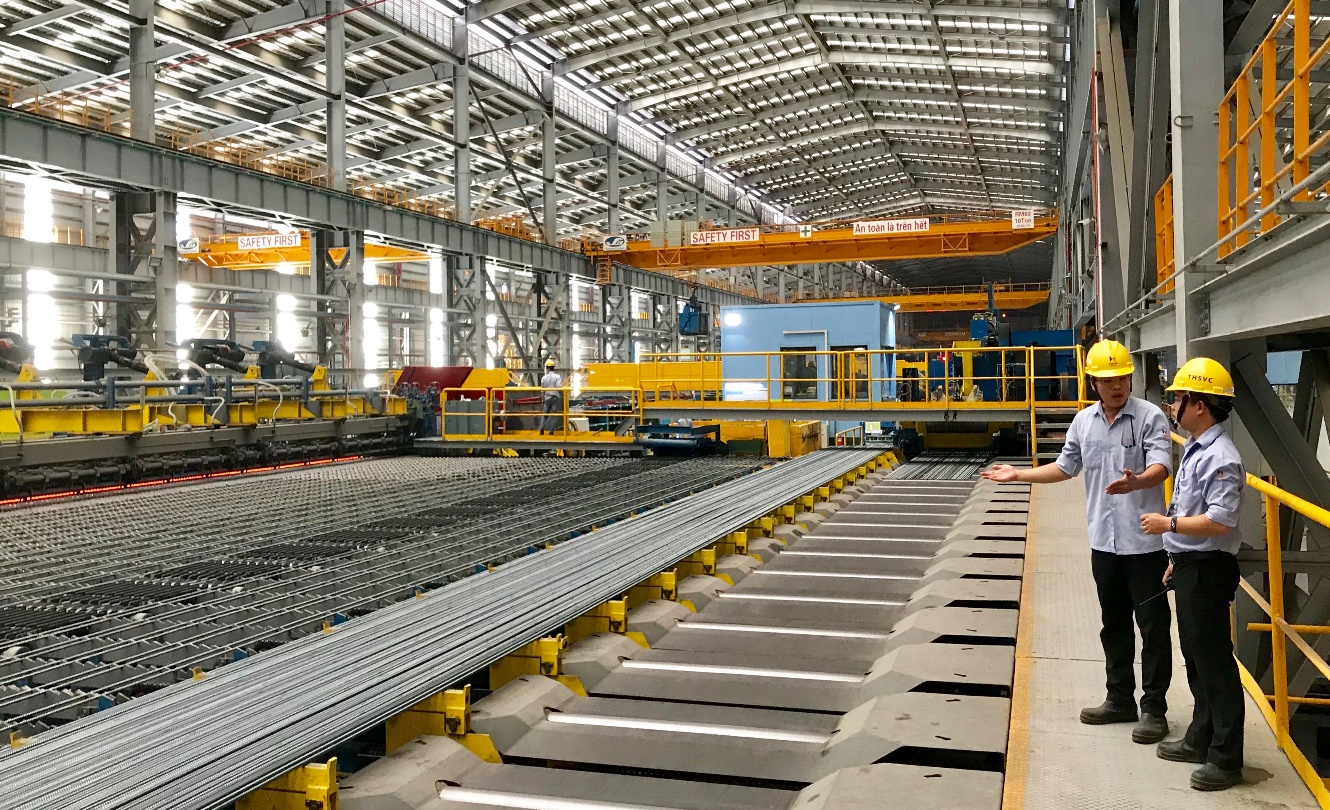
To date, Canada has initiated eight trade remedy investigations against Vietnamese steel exports, including five anti-dumping (AD) cases, two countervailing duty (CVD) cases, and one safeguard investigation. These investigations have targeted most of Vietnam’s major steel export products, such as rebar, corrosion-resistant steel sheet, steel coils, oil country tubular goods (OCTG), and more.
Given Canada’s policy of closely monitoring and tightening control over steel imports to protect its domestic market, it is anticipated that Canada will continue to investigate and potentially apply measures to the remaining steel products exported from Vietnam, including steel wire. This product is widely used in pre-stressed concrete (PC Wire), umbrella frames, tire bead wire (TBW), piano wire, cores of electrical conductors, elevator cables, crane ropes, welding electrode cores, and nails.
Statistics from Trademap show that the export value of Vietnam’s steel wire to Canada has increased rapidly in recent years. In 2020, Vietnam exported about USD 10 million worth of steel wire to Canada. This export value doubled to USD 21 million in 2021 and continued to grow strongly, reaching approximately USD 40 million in 2022. The absolute increase in value is one of the criteria for Canada to investigate and apply trade remedy measures to Vietnamese steel wire.
Based on the above information, the Trade Remedies Authority of Vietnam (TRAV) warns of the risk of Canada investigating and applying trade remedy measures on steel wire imports from Vietnam. TRAV recommends businesses take the following actions:
- Review Export Activities: Associations and related businesses should review their steel wire exports to Canada (refer to the following HS codes: 7223, 7213, 7227, 7306) and prepare to respond in case of a trade remedy investigation by Canada. Proactively research and understand Canada’s trade remedy investigation regulations and procedures.
- Strategize and Cooperate: If an investigation occurs, associations and related businesses should develop strategies to participate and address the issue. Fully cooperate with the investigating authorities and regularly coordinate with TRAV to receive timely support.